
Monitoring plan
Agreed growing zones, measurements, sensor positions and system requirements.
COIROLOGY · SCIENCE & GROWING SERVICES
From substrate to sensor. Insight for your crop.
Monitor root-zone, irrigation and climate conditions with sensors and agronomic interpretation. Match equipment, setup and ongoing support to your growing system.
Your proposal defines the monitoring plan, system setup and review programme. Select the equipment and support you need; inclusions and responsibilities are agreed before work starts.
Agreed growing zones, measurements, sensor positions and system requirements.
Specified equipment, installation responsibilities, commissioning checks and user guidance.
Agreed data access, alerts, review frequency and agronomic-support responsibilities.
Confirm supplied hardware, sensor quantities, placement and substrate-specific calibration or checks. Existing sensors can be considered after compatibility, condition and data access are assessed.
Identify who installs, configures and maintains each component. Agree site access, power, connectivity checks, commissioning criteria and user handover before setup.
Agree the connection method, recording and transmission intervals, outage handling and alert recipients. Updates depend on the equipment and network; continuous observation is not guaranteed.
Confirm accounts, data access, retention, export options and ownership arrangements. Identify hardware, setup, platform subscriptions, connectivity and ongoing support charges in the proposal.
Agree the review frequency, reporting format, response arrangements, sensor checks and maintenance responsibilities. Interpretation is provided within the agreed support scope.
This service describes monitoring and decision support. Irrigation or climate-control integration requires a separate compatibility assessment and an explicitly agreed scope.
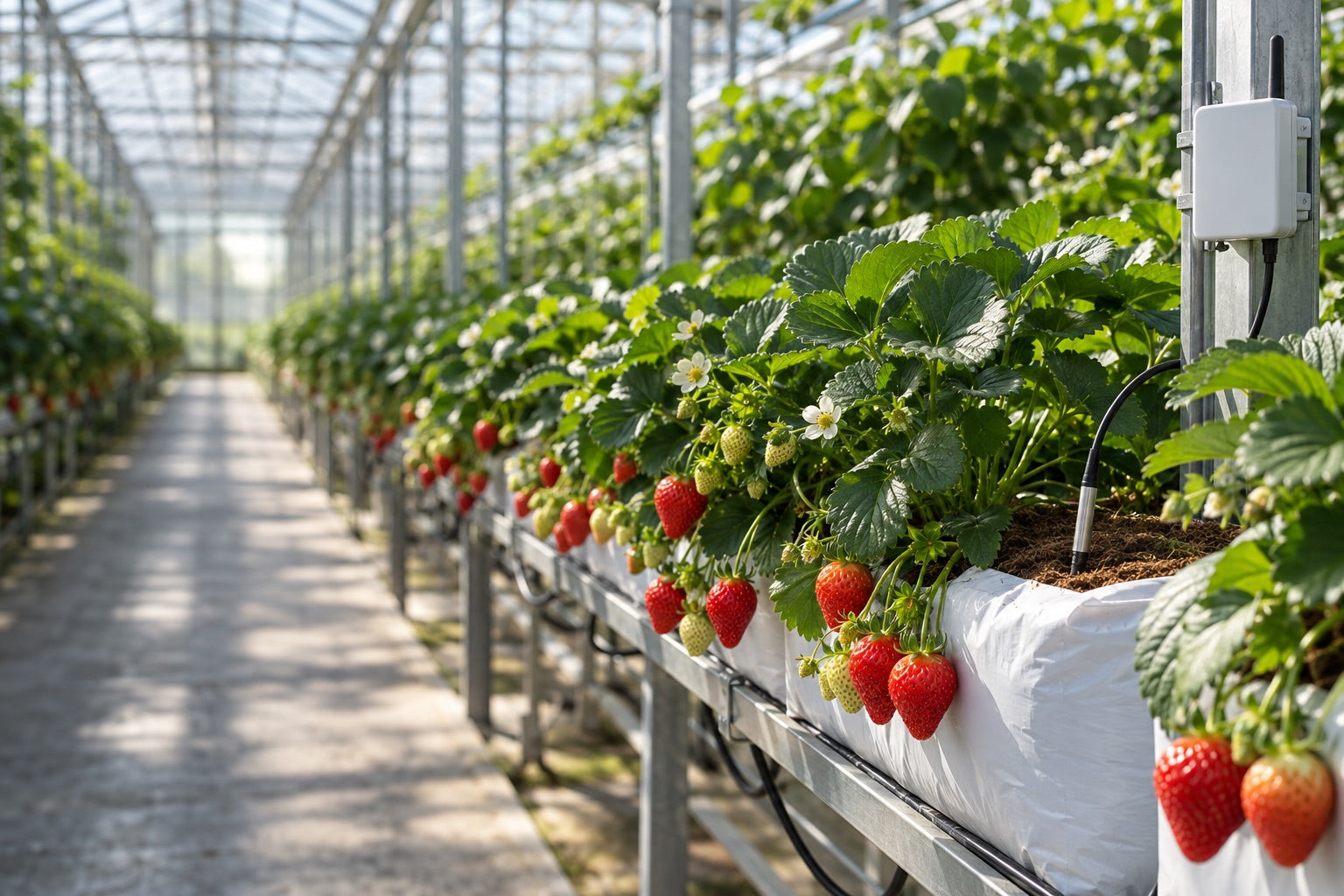
Connect substrate knowledge, selected sensors, a suitable gateway and platform with agronomic interpretation. The system is designed around the measurements your growing decisions require.

Temperature • Relative humidity
CO₂ • PAR • Solar radiation • VPD
Leaf temperature
Stem diameter • Weight changes
Collects measurements from sensors
Real-time data • Historical trends
Alerts • Remote access
Turns measurements into practical recommendations
Water content • EC • Temperature
Irrigation volume • Feed EC • Feed pH
Drainage volume • Drainage %
Drain EC • Drain pH
EC • pH • Dissolved oxygen
Illustrative monitoring architecture. Equipment, compatibility and connectivity are confirmed during design; the dashboard below uses demonstration data.
Select sensors around your crop, substrate and decision. Equipment models, compatibility and availability are confirmed in the monitoring plan.
Explore the categories below. Placement, calibration and the measurement method affect interpretation; all sensors are not required for every system.
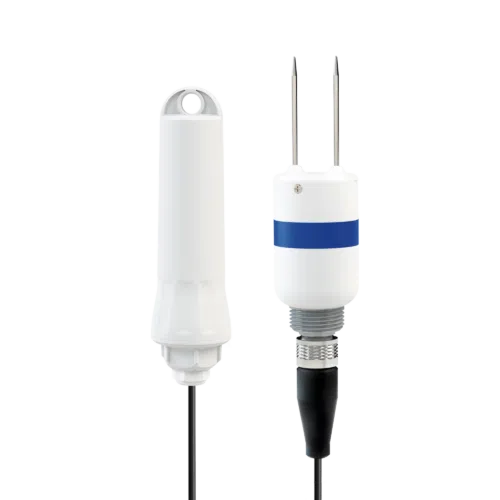
Delta-T Devices
Water content, EC and temperature for irrigation decisions.
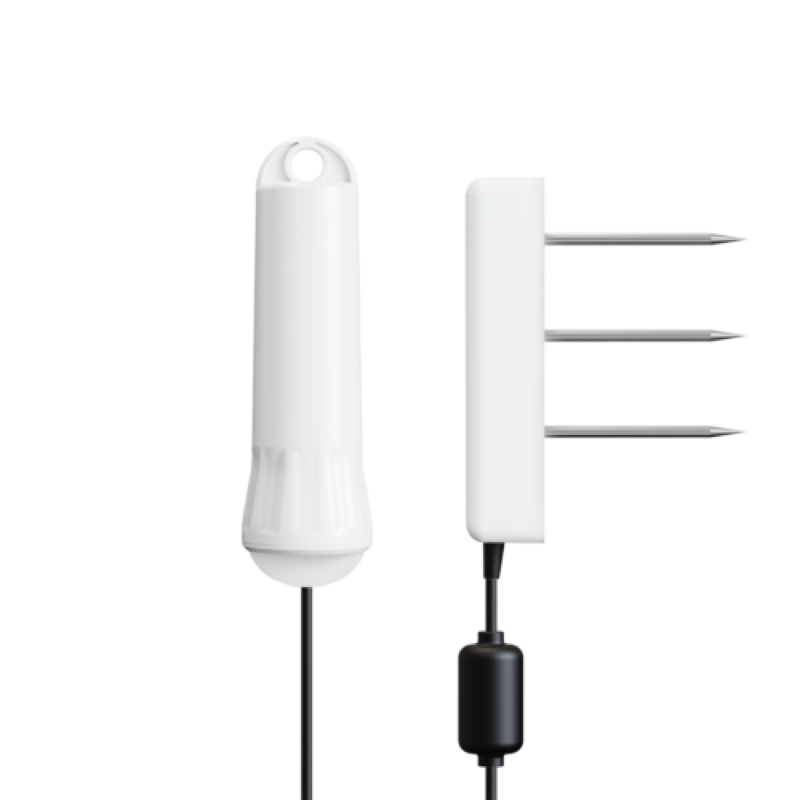
METER Group
Measures substrate water content, bulk EC and temperature. Track root-zone changes when assessing irrigation and nutrient management.
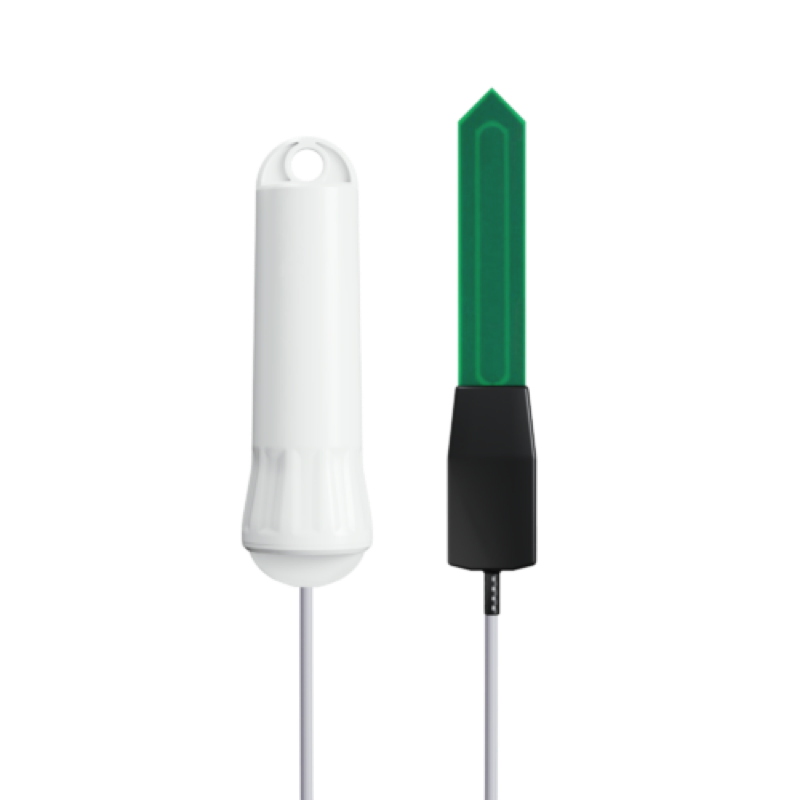
Substrate water content; follow wetting and drying.
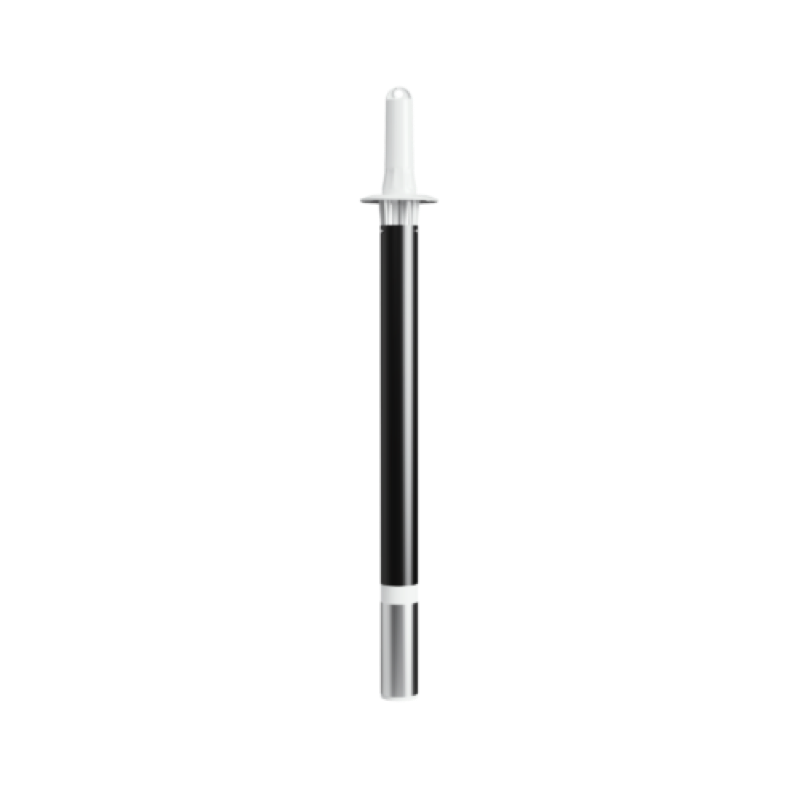
Canopy air temperature and relative humidity, protected from direct sunlight. Combine with leaf temperature to interpret leaf-to-air VPD.
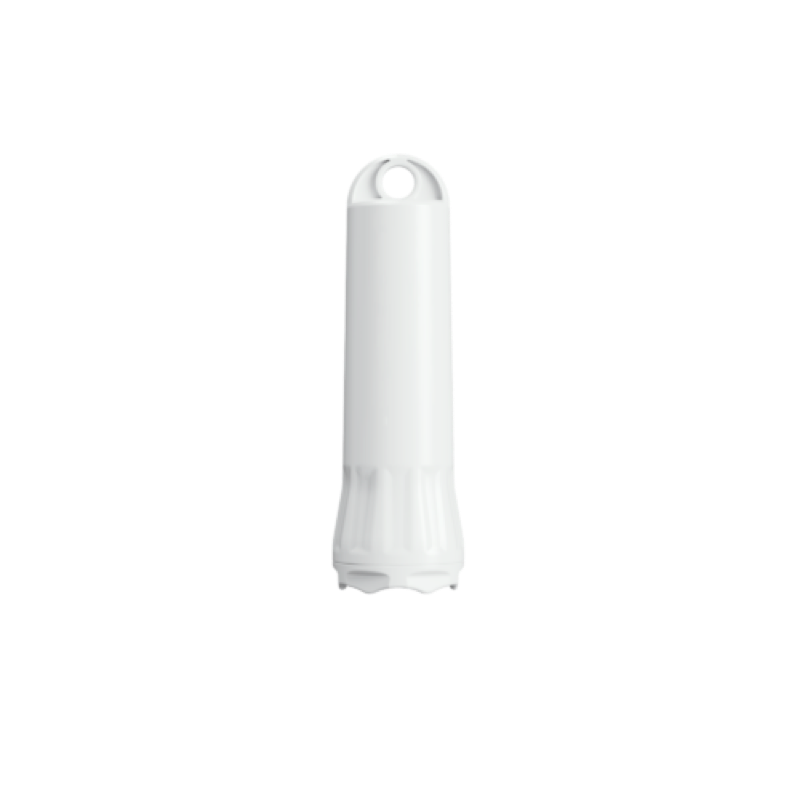
Air temperature and humidity for indoor growing.
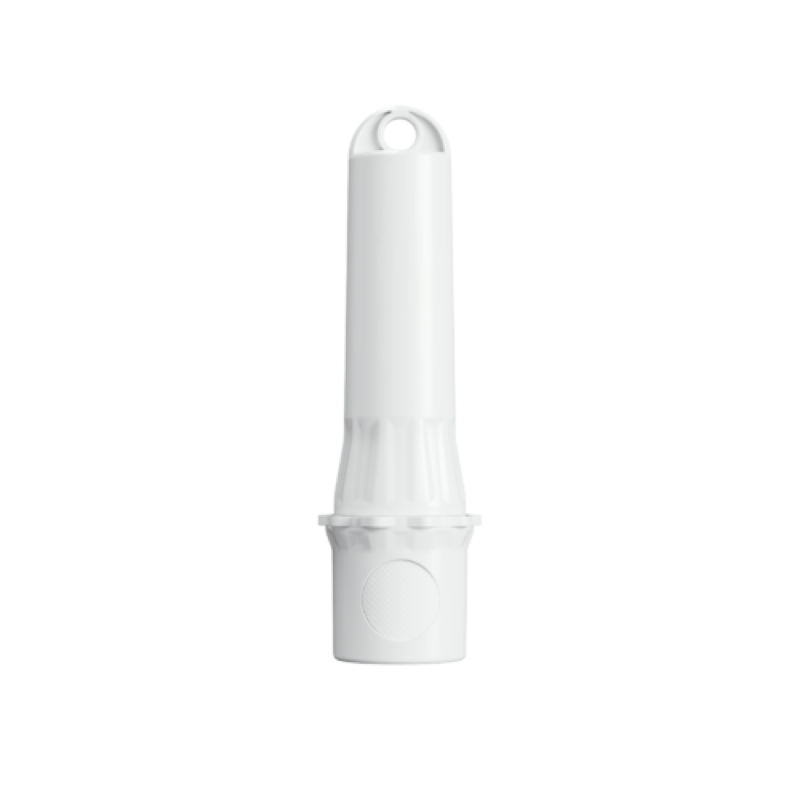
CO₂, temperature and pressure; monitor greenhouse climate.
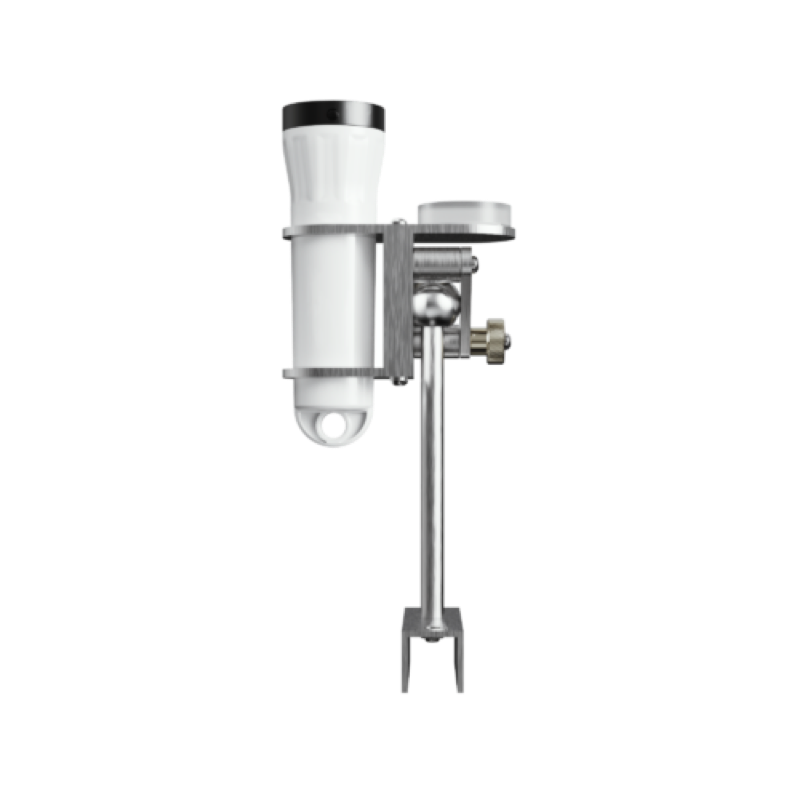
Measures photosynthetically active radiation at crop level. Compare light exposure when reviewing crop conditions.
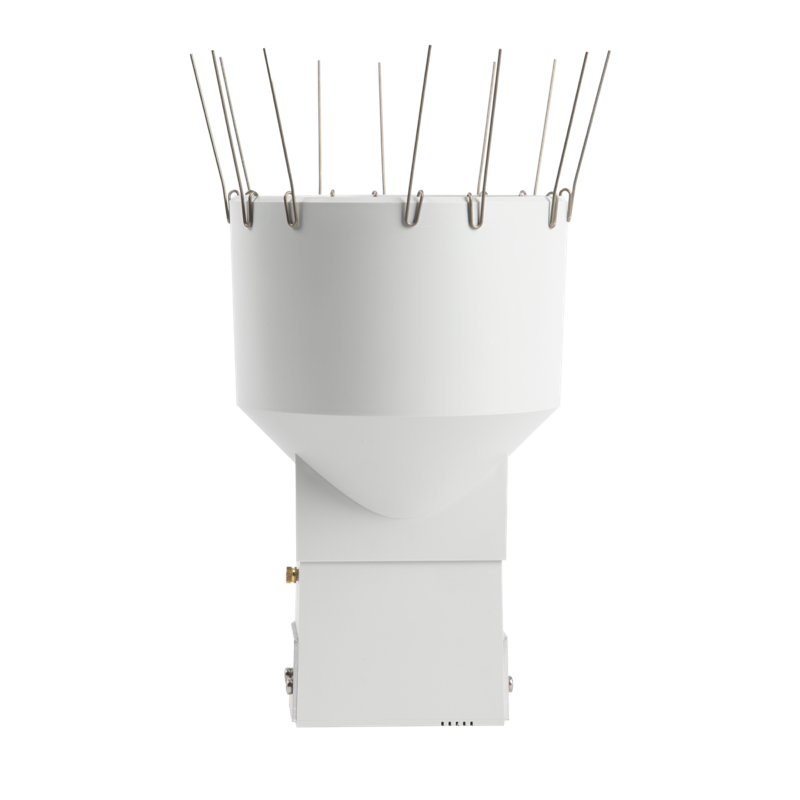
Rainfall measurement for agricultural weather monitoring.
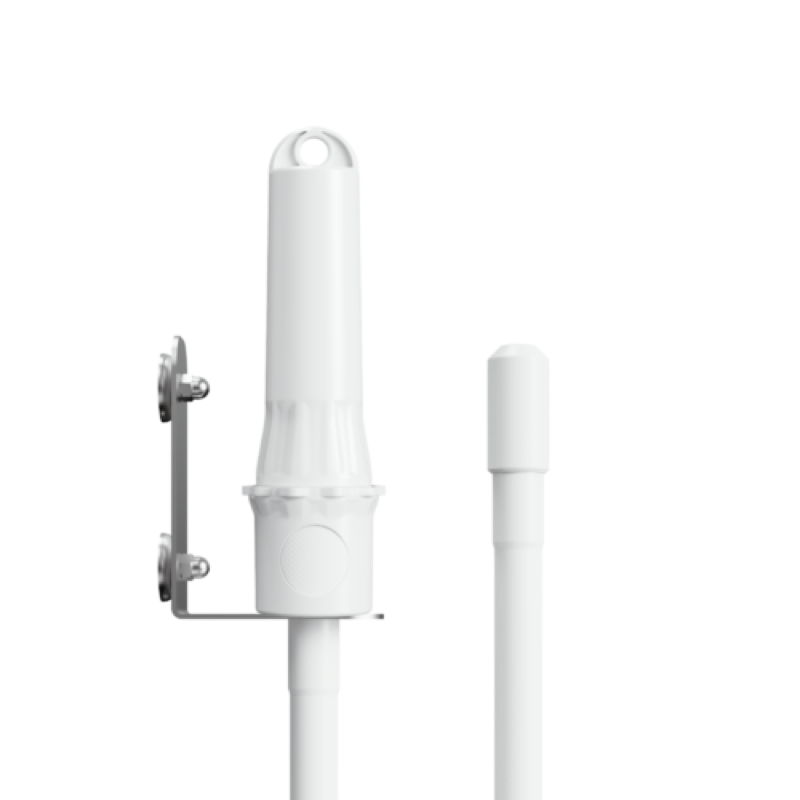
Non-contact leaf-temperature measurement. Combine with air temperature and humidity to assess leaf-to-air VPD and crop–climate conditions.
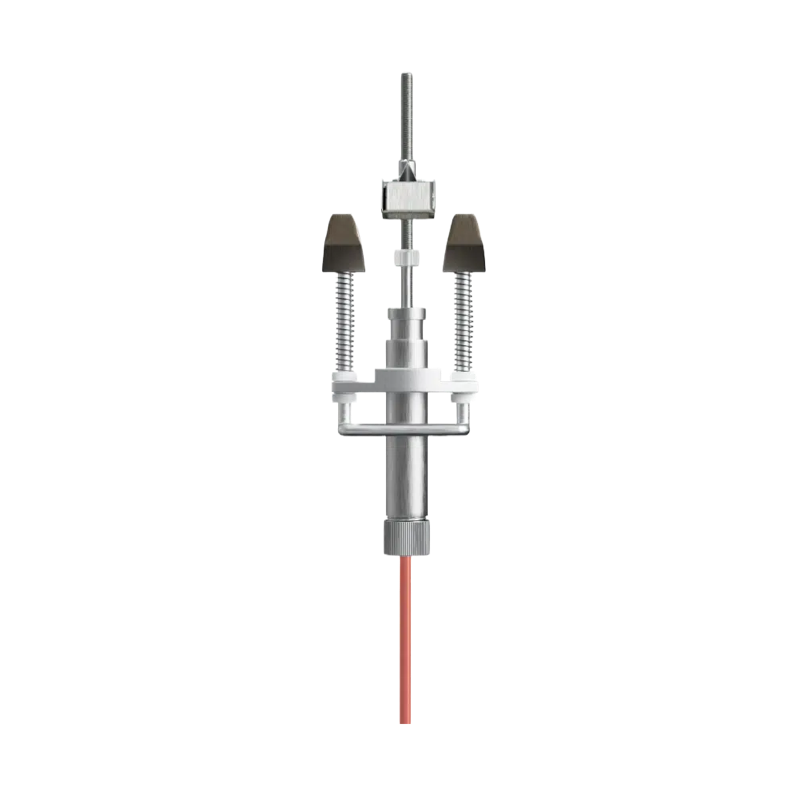
Stem-size changes; assess growth and water balance.
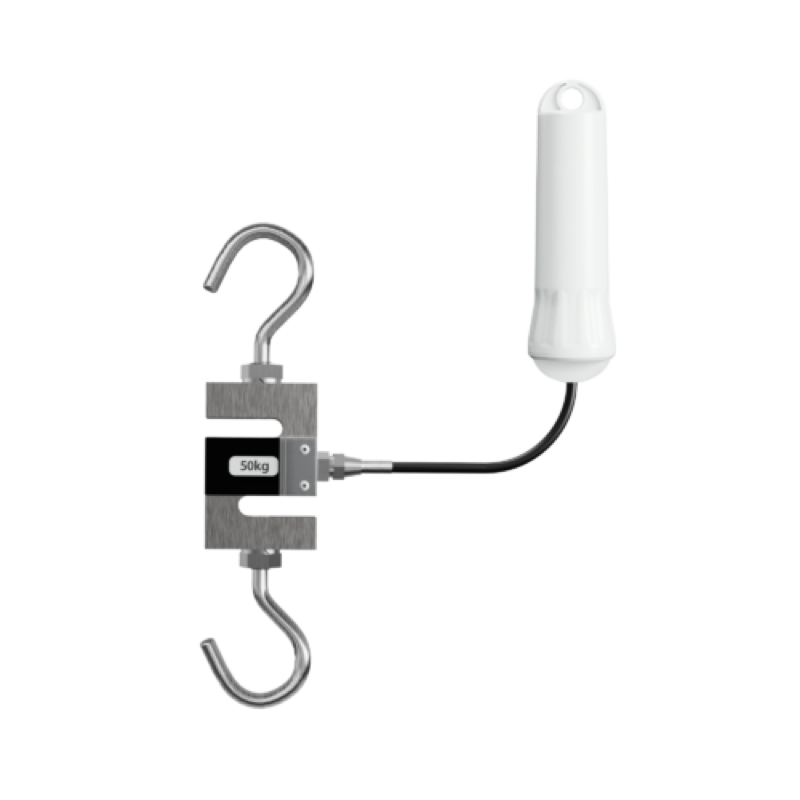
Records weight changes that can include irrigation, drainage, evaporation and plant growth. Weight alone does not isolate biomass.
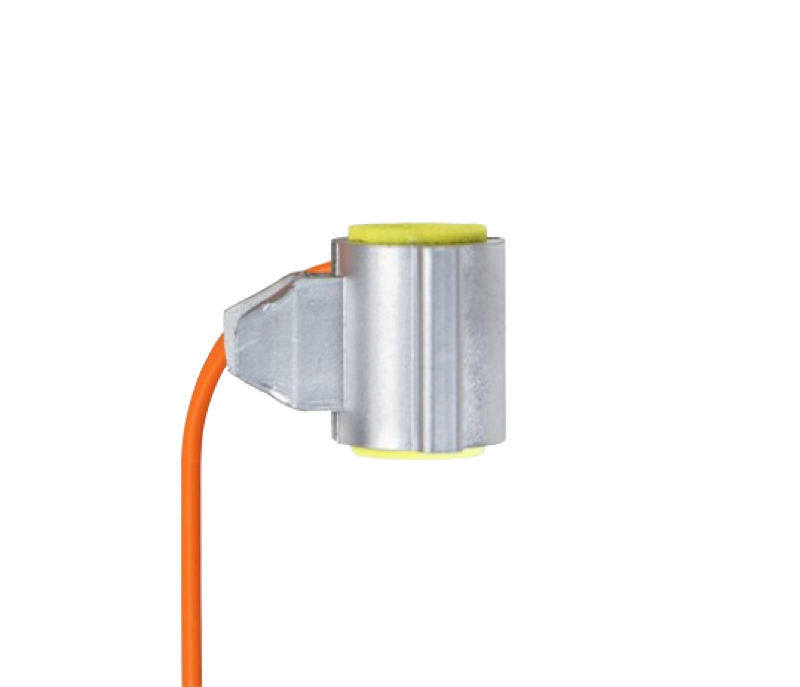
Relative sap-flow changes in petioles or small shoots.
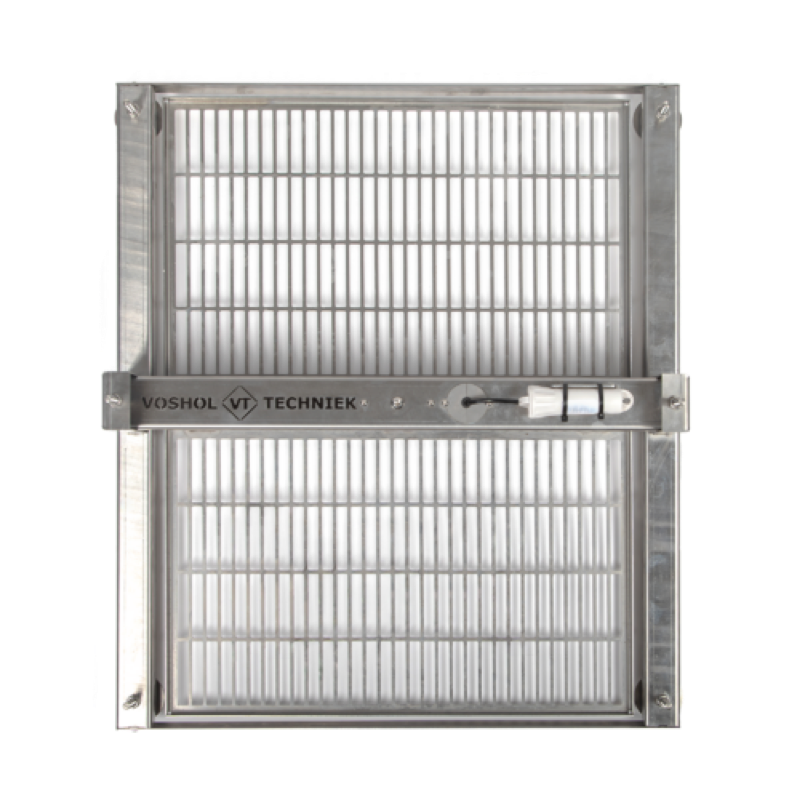
Track pot or tray weight alongside irrigation and drainage. Interpretation depends on what is weighed and the measurement setup.
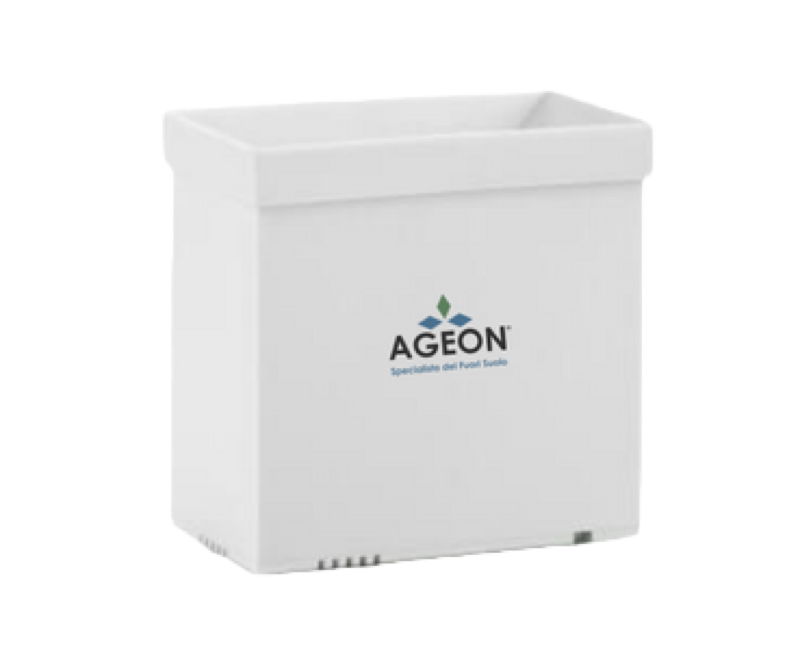
Tipping-spoon measurement of water supplied to plants.
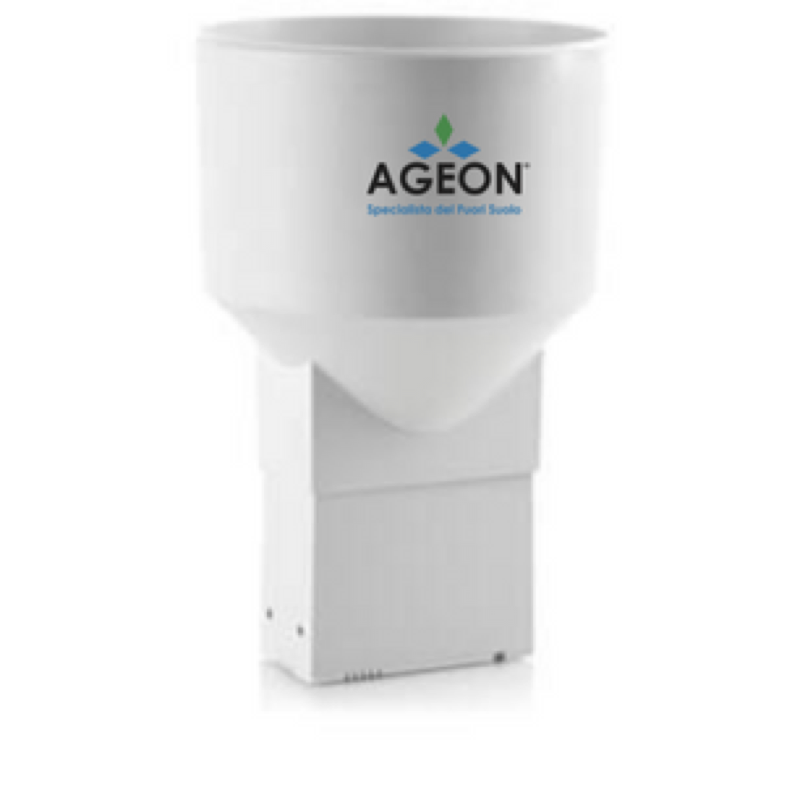
Tipping-spoon measurement of drainage water volume.
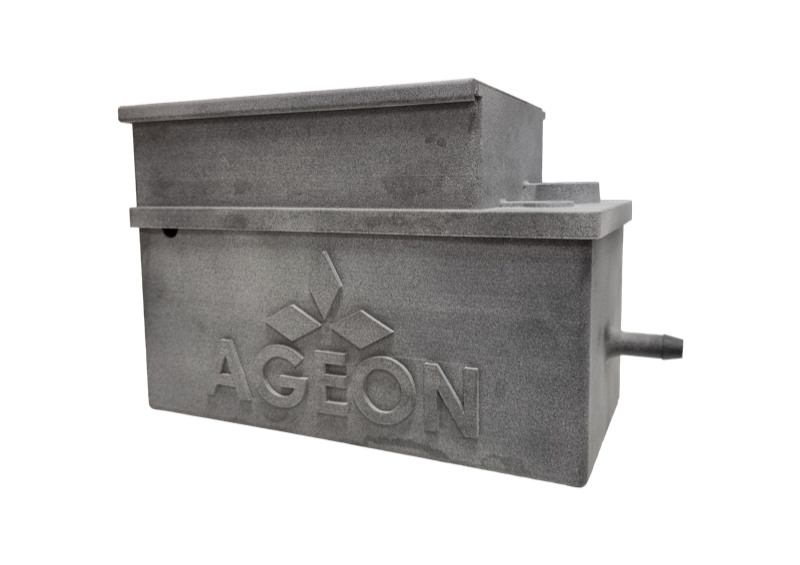
Collect drainage volume; accommodates EC and pH probes.
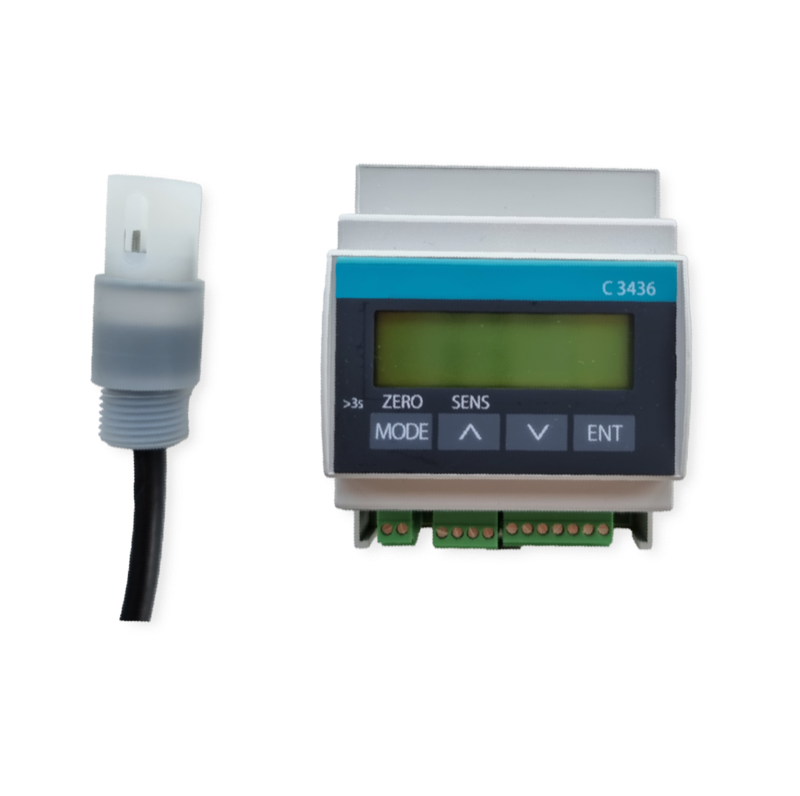
Temperature-compensated conductivity monitoring for nutrient solutions.
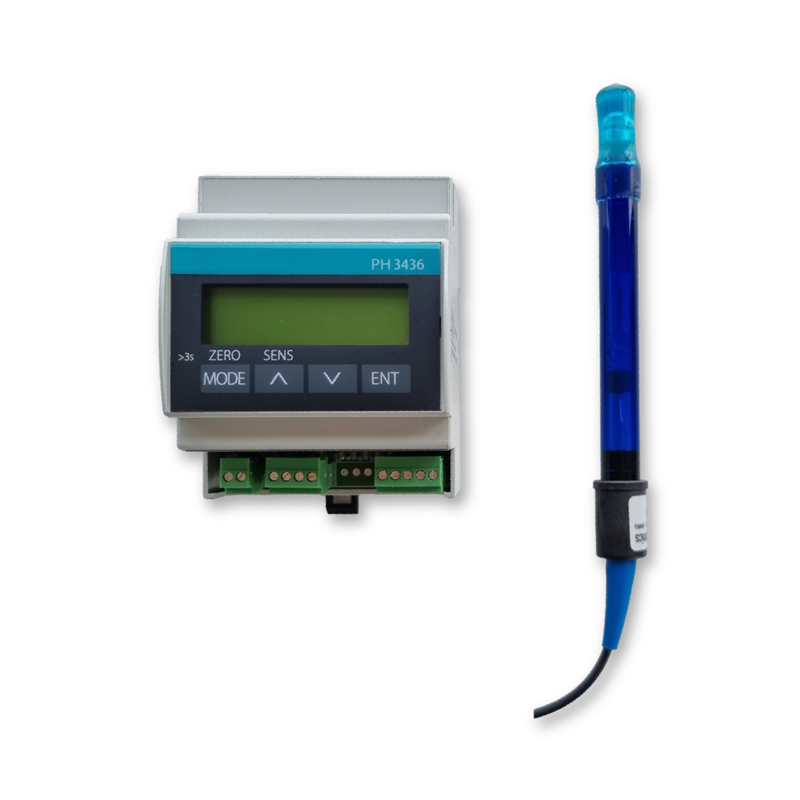
Electrode-based pH monitoring for irrigation water.
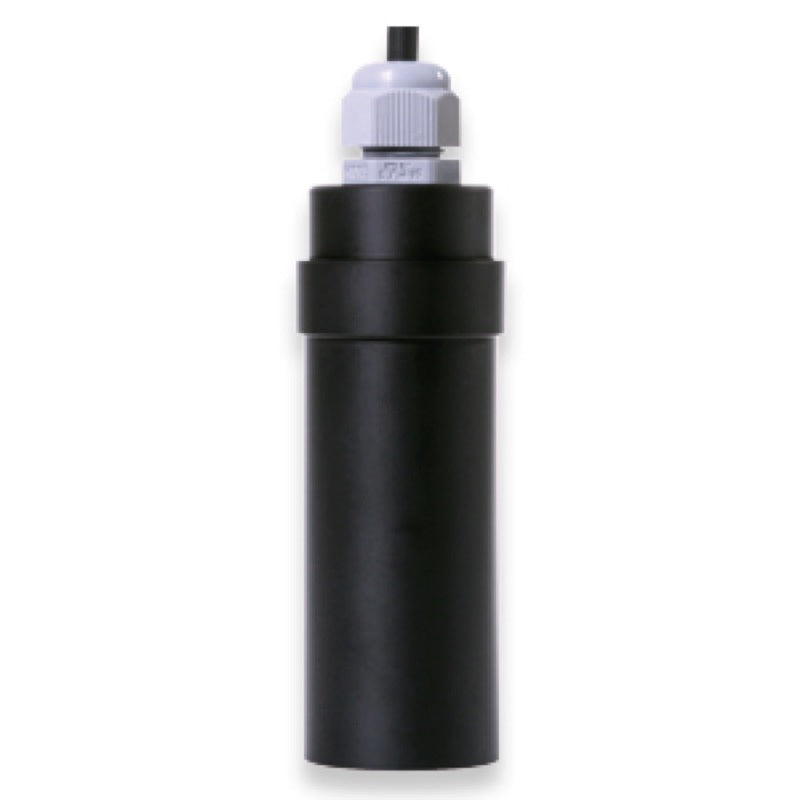
Optical dissolved-oxygen measurement for water monitoring.
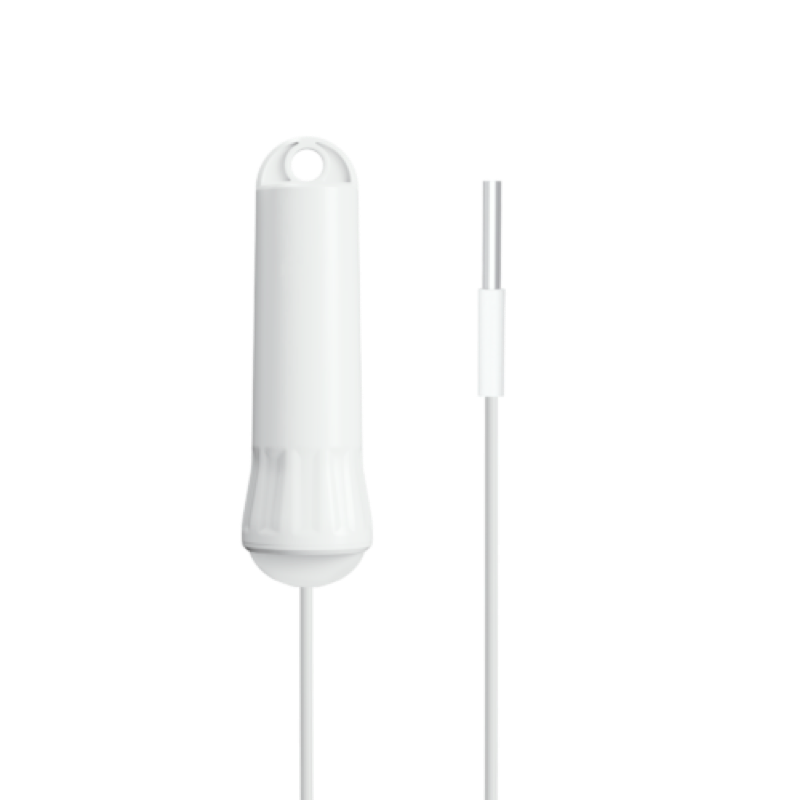
Water temperature in immersion or flowing applications.
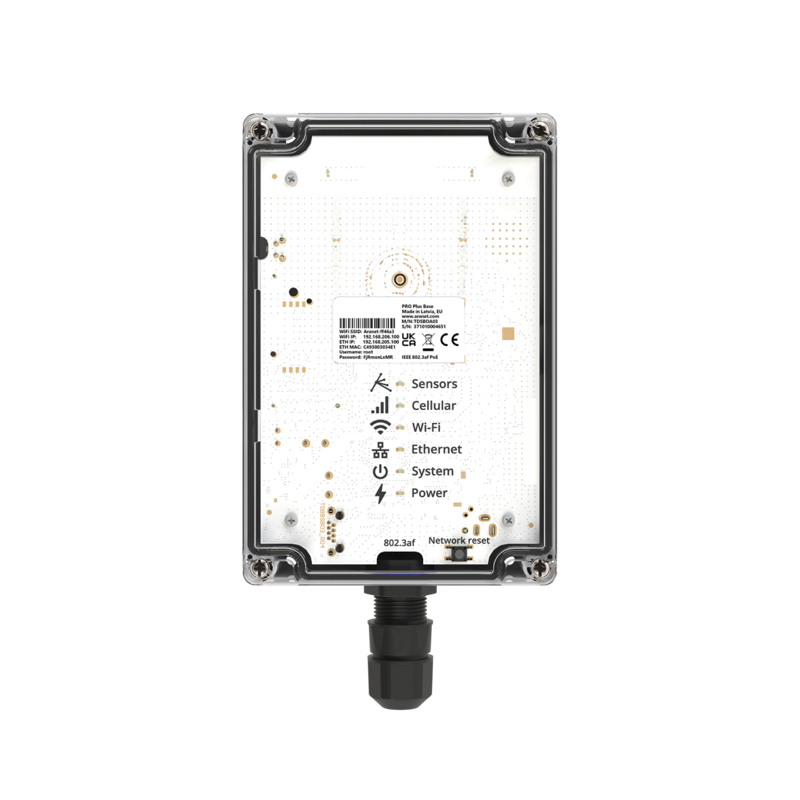
Collects sensor readings for connected monitoring.
Cloud charts, historical readings and configurable alerts.
Read moisture, temperature and EC trends alongside irrigation input and measured drainage. Interpret observations within the crop, substrate and growing conditions.
Sensor estimates depend on substrate calibration and representative placement.
Bulk EC and pore-water EC are different quantities; neither should be treated as interchangeable with laboratory extract EC.
Interpret local temperature readings alongside probe position and crop conditions.
View readings and trends alongside agreed alerts. The chart is illustrative; actual update intervals, remote access and alert delivery depend on equipment, connectivity and platform configuration.
At the agreed recording and transmission intervals.
Review changes in context; confirm data retention and export.
Set thresholds, recipients and response responsibilities.
Confirm user accounts, permissions and platform terms.
Water content · relative demonstration
Synthetic demonstration data. Relative patterns only; not measurements, specifications or growing targets.
DATA IS ONLY PART OF THE STORY
Interpret readings alongside crop stage, substrate, water quality and management records. Your proposal sets the review frequency, reporting format and support responsibilities.
Consider sensor location, calibration, crop stage and recent management.
Discuss observations and appropriate adjustments within the support scope.
Review subsequent readings on the agreed schedule and record limitations.
Each stage has defined responsibilities and outputs. Setup and ongoing costs are confirmed in the proposal.
Record the crop, substrate, irrigation, current sensors and decision to support.
Agree sensor locations, equipment, connectivity and the monitoring plan.
Complete the agreed installation, calibration checks and commissioning.
Confirm access, user guidance, alerts and maintenance responsibilities.
Interpret data and discuss adjustments at the agreed support frequency.
Monitoring shows changes over time. Use targeted analysis to investigate the substrate, or a defined trial to compare a proposed change. Each can be commissioned independently.
Compare all servicesAnalyse & understand
What is in my substrate, and how does it behave?
Characterise material properties, compare samples and investigate substrate concerns.
What you receiveA technical report interpreting the agreed analysis.
Explore SubstrateLab™Trial & evaluate
How does my product perform under growing conditions?
Design and coordinate a defined trial, then compare plant and root-zone responses.
What you receiveA trial report with results, limitations and recommended next steps.
Explore TrialWorks™Tell us what you grow, your current monitoring and the decisions you want to improve. We will discuss the scope, setup, data access and support before quoting.