COIROLOGY JOURNAL · Wholesale supply
Bulk coco coir: plan spring supply in autumn
For growers, compost manufacturers and trade buyers, autumn is a useful point to turn next season’s coir requirements into a clear purchasing brief.
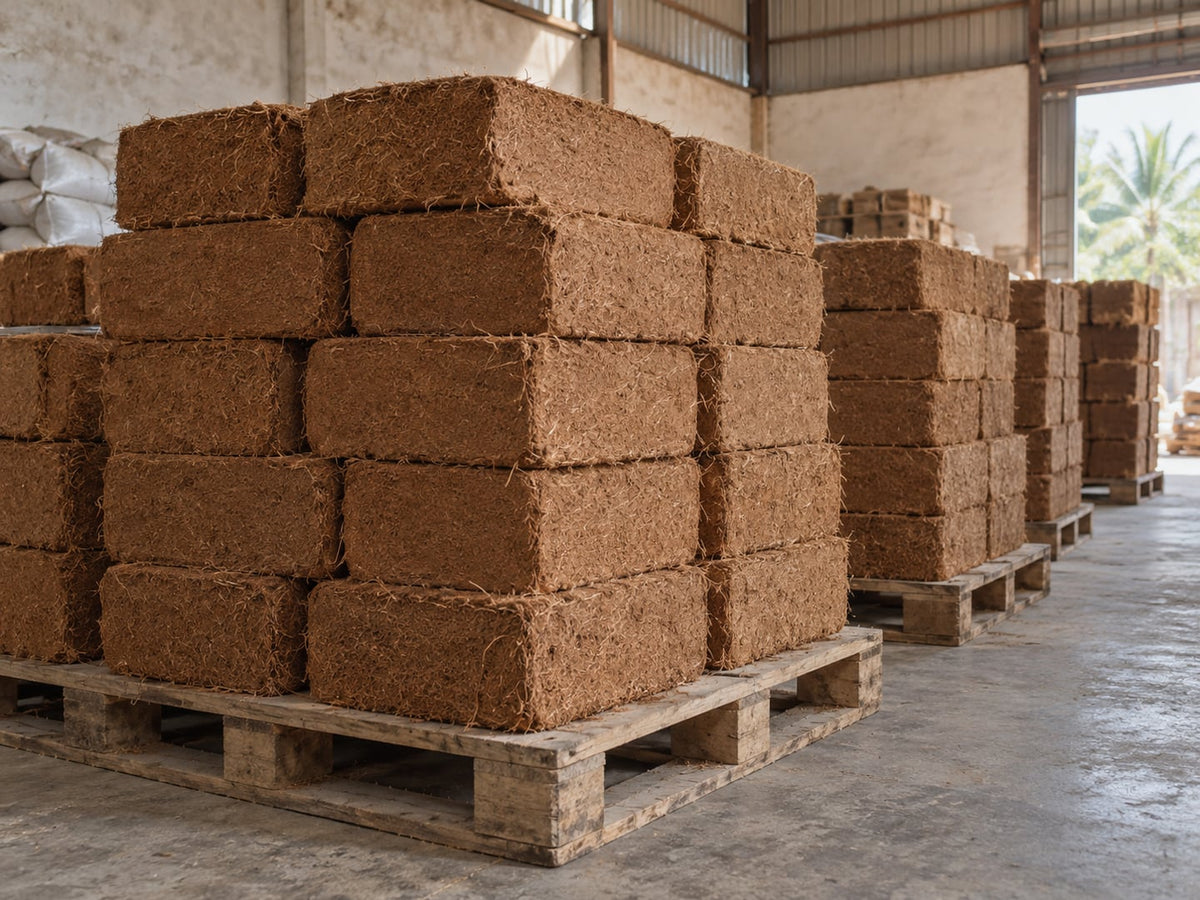
Start with the production plan
Buying bulk coco coir starts with the application, not the number of blocks. List the crops or finished products you expect to supply, the required growing-media structure and the point at which material must be ready for use. Separate confirmed requirements from a forecast so both parties understand which quantities are firm.
For a spring programme, work backwards from potting, blending or retail dispatch. Include time for a sample evaluation, specification approval, production, transport and receipt checks. These are planning stages rather than a promise of a particular lead time.
Turn “wholesale coir” into a specification
Coco coir is a family of materials and formats. A useful enquiry states whether you need pith, fibre, chips or a defined blend, and whether the product should be washed, buffered or supplied to another agreed processing programme. Bricks, blocks and loose material should be compared against the same intended use.
Ask how hydrated volume is measured, how the sample is prepared for testing and which acceptance criteria apply. A low EC description without its test method is an incomplete basis for comparing offers. The same applies to a nominal block weight without a clear product description.
Evaluate before committing the whole requirement
Use a representative sample to answer a defined question. For a compost manufacturer, that might concern blending and filling behaviour. For a grower, it could concern irrigation response in the actual container. Record the sample reference, water source, preparation and comparison material.
Keep the decision practical: what must the evaluation demonstrate, who approves it, and how will the agreed material be identified on the purchase order? Read our coir quality guide for the link between samples, methods and specifications.
Plan a delivery window, not just a sailing date
Distinguish production readiness, estimated departure, expected port arrival and required delivery to your site. Shipping dates can change. UNCTAD’s 2024 review of shipping-route disruption provides a historical example of why routing assumptions need reviewing; it is not a forecast of today’s freight conditions.
Agree who communicates changes and when a revised plan should be triggered. Check storage capacity and unloading arrangements before choosing a large consignment. Earlier ordering is only useful if the delivery and storage plan suit your business.
Send one clear buying brief
- Application, formulation and required processing.
- Format, quantity and packaging preference.
- Required arrival window and delivery destination.
- Port or door-delivery quotation scope.
- Sample approval, testing and documentation requirements.
Coirology connects manufacturing and commercial supply planning. Explore Coir Supply or request a container quote with this information. Product availability, timing and delivery terms should be confirmed in the quotation.
Sources and further reading
PUT IT INTO PRACTICE
Discuss bulk coir supply
Find the next step for your growing or supply requirements.
Discuss bulk coir supply