COIROLOGY JOURNAL · Container growing
Overwintering pots in peat-free compost
Protecting a container plant means considering the plant, its roots and the position of the pot. Peat-free compost is one part of that winter plan.
Know which plants need protection
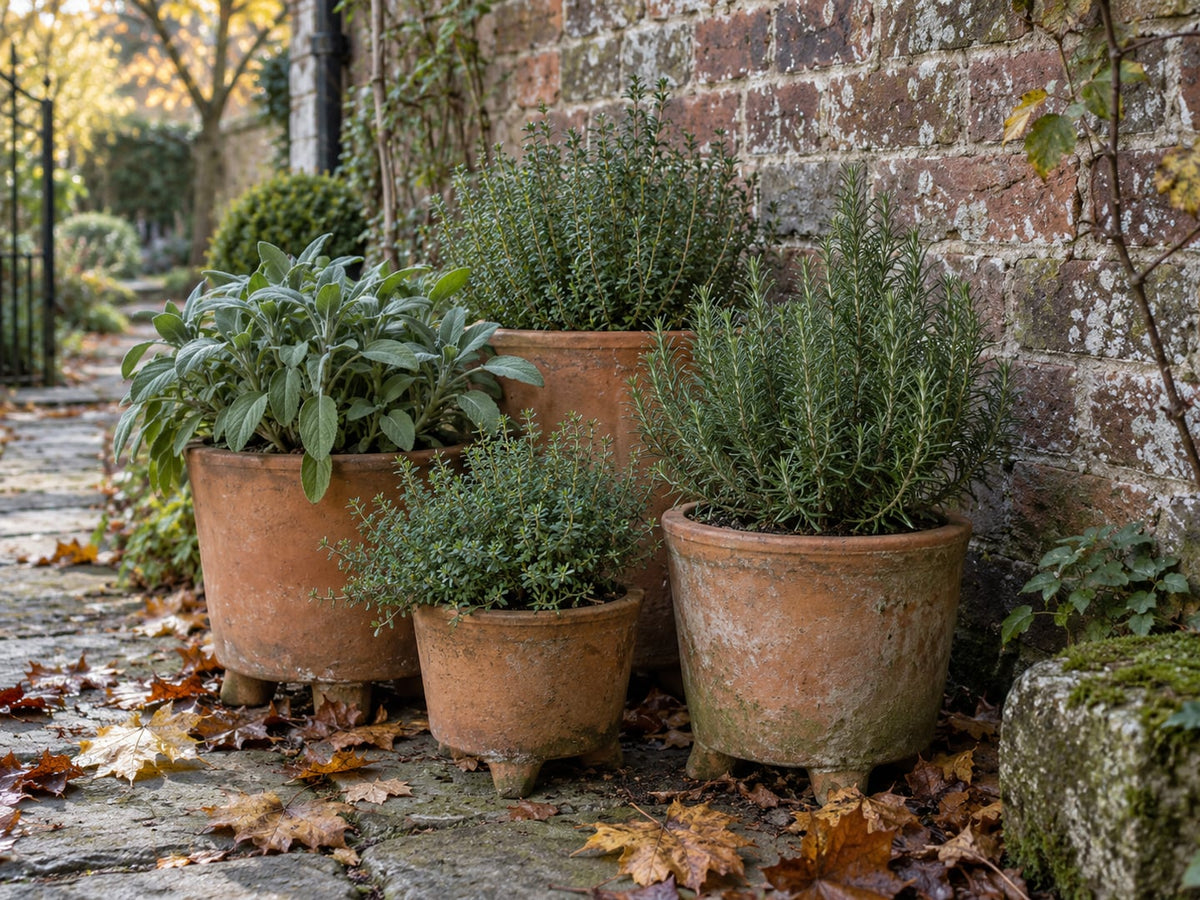
Check the requirements of the species before deciding where it should spend winter. A hardy shrub, an evergreen container plant and a tender specimen should not all follow the same plan. Shelter and local exposure matter as well as the regional forecast.
The RHS highlights container plants as particularly vulnerable to winter conditions. Its guidance includes grouping pots in sheltered positions and insulating containers where needed. Protection should suit the plant and still allow you to inspect it.
Give water a route out
Check the pot and its position before winter rain arrives. A container should drain as intended rather than remain in standing water. The RHS notes the risk of winter waterlogging in pots; a peat-free label alone does not remove that risk.
Inspect drainage openings and the surface beneath them. If a plant remains persistently wet, look at watering, exposure to rain, container design and the growing medium together. Adding a product to the surface is not a substitute for understanding why water is being retained.
Keep checking moisture
Winter does not mean that every container stops needing water. Evergreens can still require watering during dry periods, particularly in sheltered positions where rain does not reach the pot. Check the root-zone condition rather than relying only on rainfall or the appearance of the surface.
Make a simple inspection route for your containers. Record which pots dry first and which stay wet. This is more useful than giving every container the same amount on a weekly schedule.
Understand what the compost can do
Coir can be a component of a peat-free potting mix, contributing to its water and air characteristics. The finished mix, container and care programme determine its suitability. Neither coir nor another compost ingredient makes a tender plant frost-hardy.
Read the product instructions before changing an established mix or feed programme. Avoid an unnecessary late-season repot simply to use a new material; consider the plant’s needs and the appropriate timing. Our peat-free product guide explains how to distinguish a component from a formulated potting compost.
Make a short winter checklist
- Identify the plant and its protection requirements.
- Choose a suitable sheltered position.
- Check drainage and access for inspection.
- Monitor moisture through both wet and dry spells.
- Reassess protection as the weather changes.
For wider seasonal jobs, read our winter garden preparation guide. Keep the focus on the needs of each plant rather than looking for one compost that solves every winter problem.
Sources and further reading
PUT IT INTO PRACTICE
Explore the growing range
Find the next step for your growing or supply requirements.
Explore the growing range